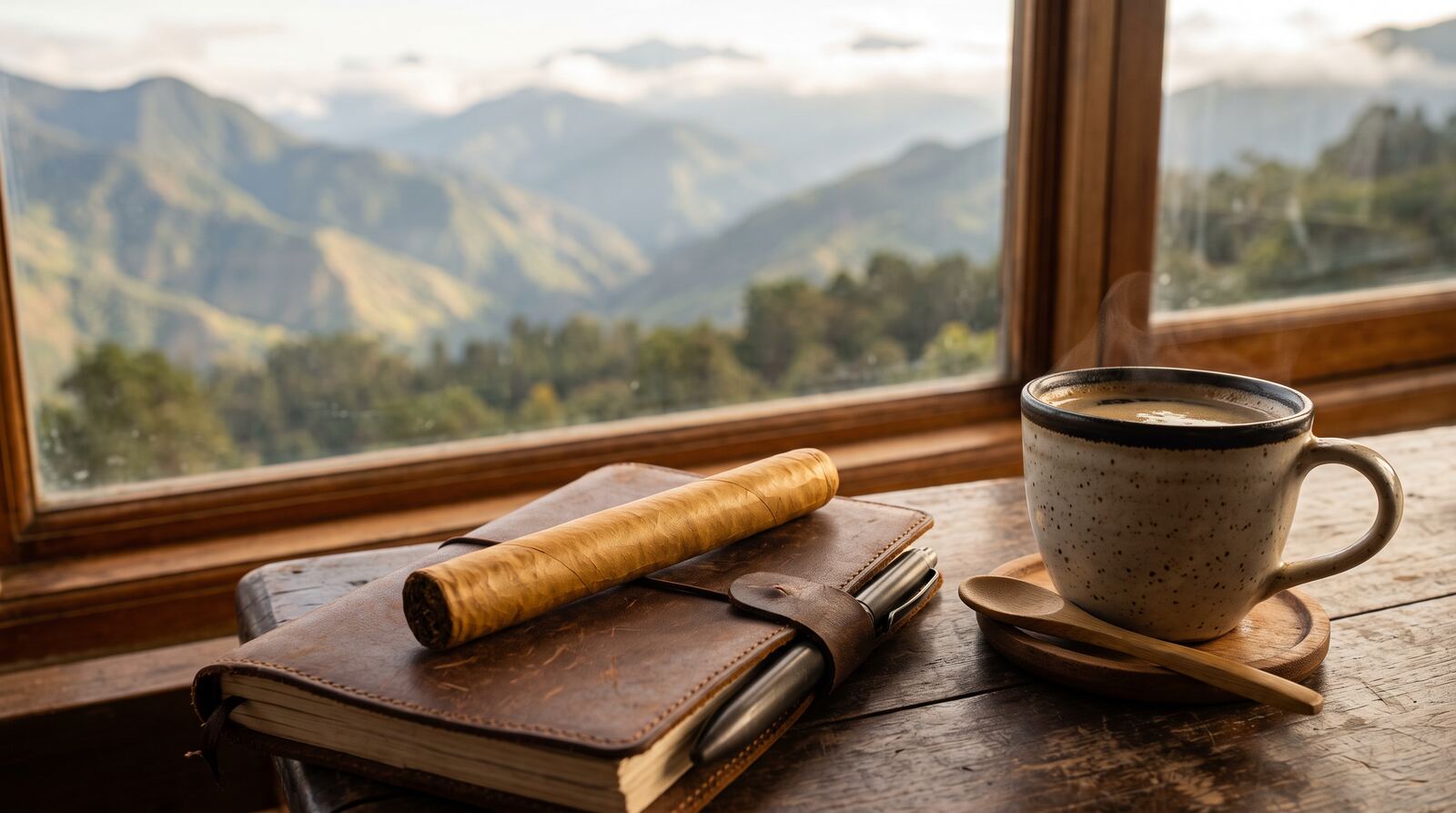
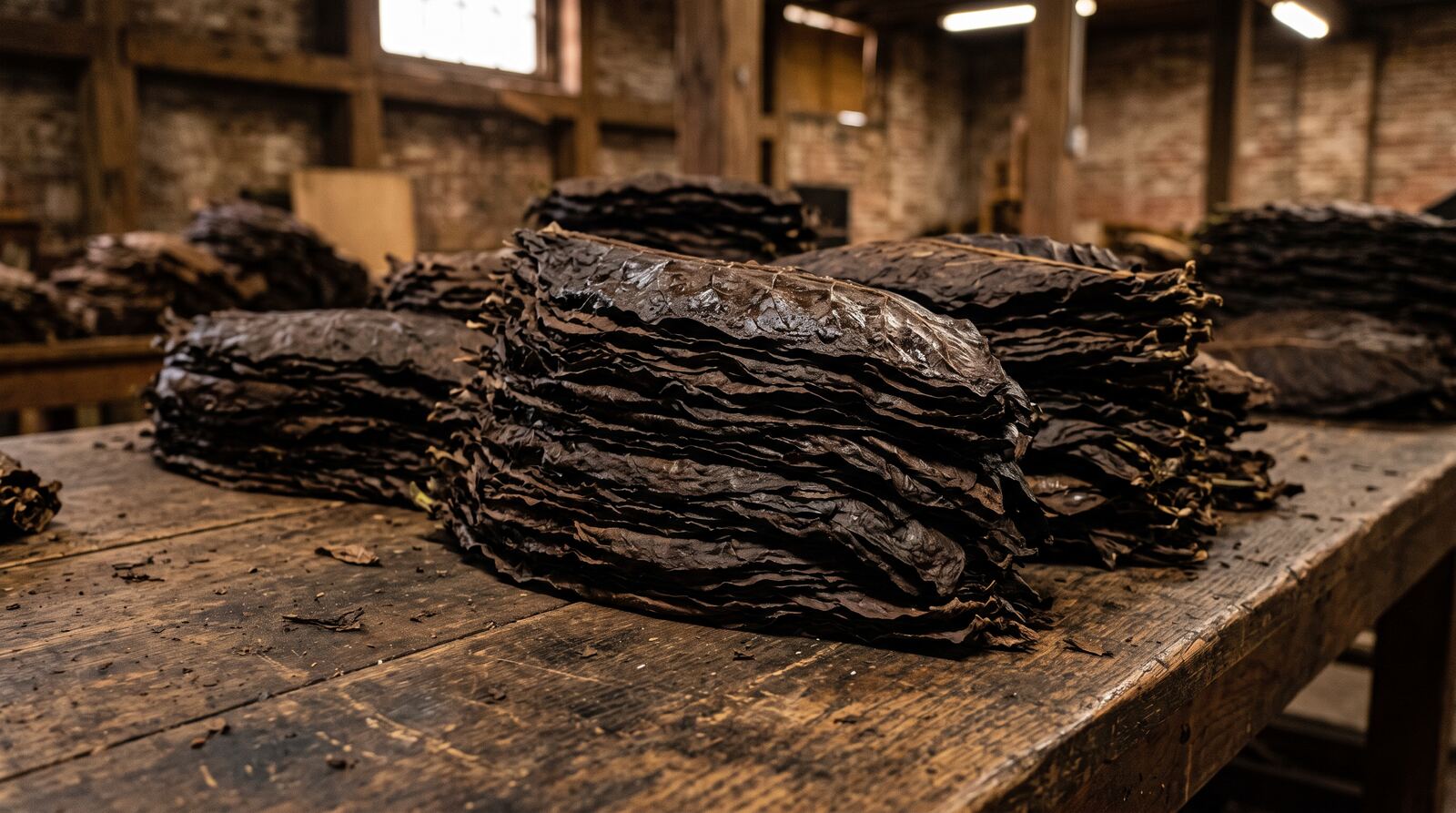
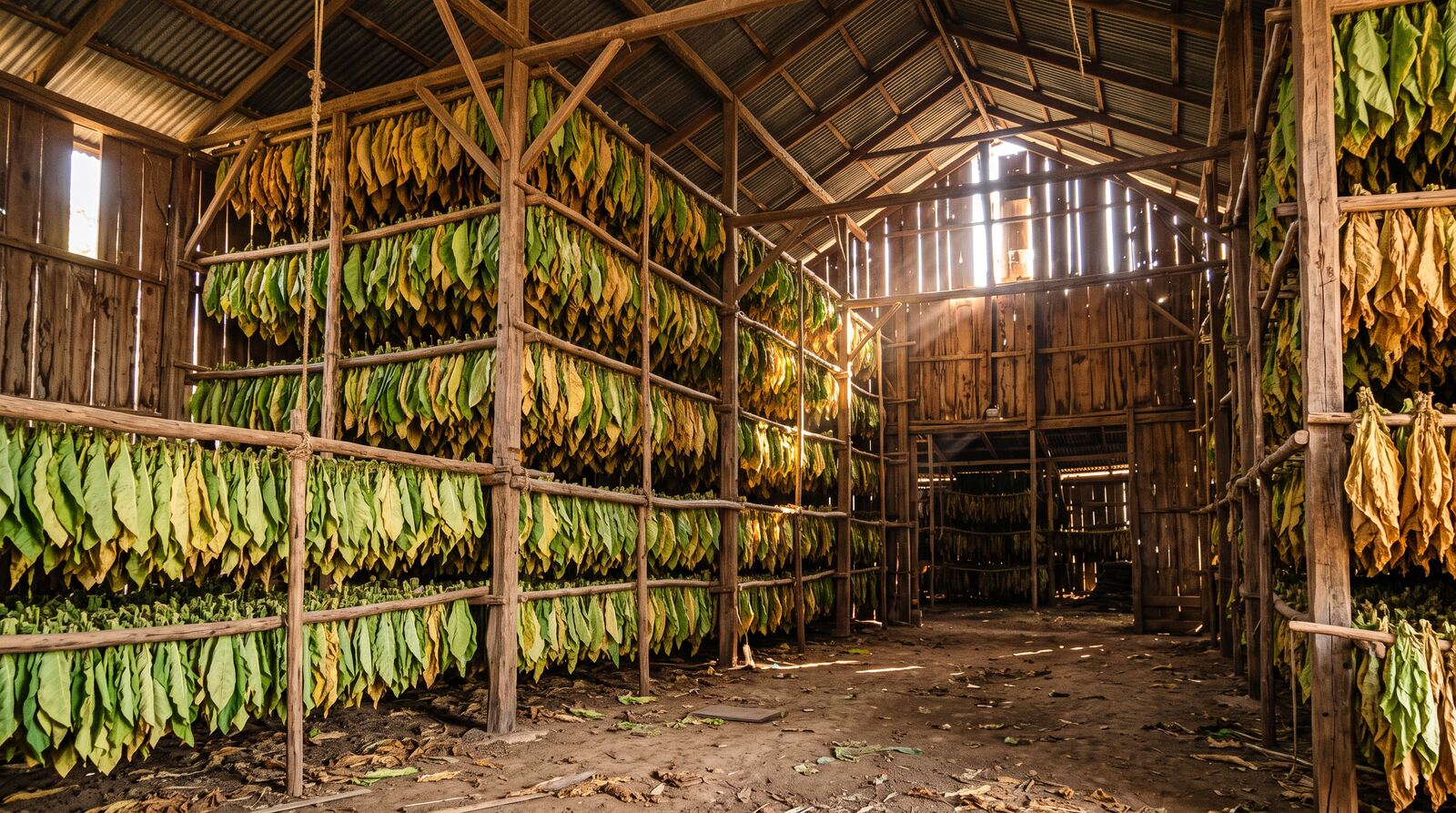
When cigar lovers think of where their cigars come from, they think of the country where the cigar was rolled: the Dominican Republic, Nicaragua or Honduras. But the outside of many of those cigars, the wrapper, was grown in South America. Ecuador's cloud-covered lowlands produce Connecticut-seed, Habano and Sumatra-seed wrappers for some of the best-known brands in the world, and Brazil's sweet, dark leaf has been a staple of maduro cigars for decades.
This is an independent, educational guide. We do not sell tobacco and are not owned by any company named here; some pages contain labeled affiliate links.
Ecuador: The Wrapper Garden
Ecuador sits on the equator, yet its coastal lowlands around Quevedo spend much of the growing season under a thick blanket of clouds. That natural shade lets growers produce thin, smooth wrapper leaves without the cloth tents used in Connecticut or Cuba. Ecuador grows Connecticut-seed wrapper, Habano (also called Ecuador Havana), Sumatra-seed and other varieties, and its leaf wraps cigars from Arturo Fuente, Romeo y Julieta, My Father, Rocky Patel and many more. Read the story in Ecuador wrapper.
Brazil: Sweet, Dark Leaf
Brazil is the world's largest tobacco exporter, a position it has held since 1993. Most of its crop is cigarette tobacco from the southern states, but the northeast grows dark cigar leaf. Bahia's Mata Fina and the Arapiraca wrapper from Alagoas are prized for sweet, earthy maduro flavors. See Brazilian tobacco.
The Rest of the Continent
Colombia, Peru, Paraguay and Argentina also grow tobacco, mostly for local cigarettes, and Colombia and Peru have small cigar industries. Our overview of South American tobacco countries explains who grows what.
Why South American Leaf Matters
A wrapper is often said to provide a large share of a cigar's flavor and nearly all of its appearance. By growing wrappers in Ecuador and Brazil and rolling them in the Caribbean and Central America, cigar makers combine the best leaf from several countries. That is why a "Nicaraguan" or "Dominican" cigar can taste of South America. Learn about the rolling side at Nicaraguan cigars and Caribbean cigars.
How to Read a Cigar's Wrapper
Cigar descriptions often name the wrapper first: "Ecuador Connecticut," "Ecuador Habano," "Brazilian Arapiraca" or "Brazilian Mata Fina." The first word is where the leaf was grown; the second is the seed variety or local name. An Ecuador Connecticut wrapper, for example, is grown in Ecuador from Connecticut-shade seed. Our sister site compares them all in cigar wrapper types.
Pairing South American Cigars
South American leaf pairs naturally with South American drinks. A mild Ecuador Connecticut cigar suits a morning Colombian coffee or a light rum. A spicy Ecuador Habano stands up to an aged Venezuelan or Guatemalan rum. A sweet Brazilian maduro is a good partner for an espresso, a glass of Malbec from Argentina or a smooth cachaça.
Part of a Larger Map
Cigars South America is one of the guides in the Cigars North America network. For Mexico's maduro leaf, see our sister site's guide to San Andrés tobacco.
Where to buy (affiliate link): To taste South American leaf across several blends, try a cigar sampler from Famous Smoke Shop. Famous Smoke Shop is a licensed U.S. retailer that requires customers to be 21 or older. If you buy through this link we may earn a commission at no extra cost to you. Affiliate disclosure.
Frequently Asked Questions
Are cigars made in South America?
A few are, in countries such as Brazil, Colombia and Peru, but South America's main role is growing wrapper and filler tobacco for cigars rolled elsewhere.
Why is Ecuador good for cigar wrapper?
Its lowlands are covered by clouds for much of the growing season, which shades the plants naturally and produces thin, smooth leaves.
What is Ecuador Connecticut?
Wrapper grown in Ecuador from Connecticut-shade seed, usually light tan and mild.
What is Arapiraca tobacco?
A dark Brazilian wrapper from the Arapiraca area of Alagoas, valued for sweet, earthy maduro flavors.
Which country exports the most tobacco?
Brazil, which has been the world's largest tobacco exporter since 1993.