Wrapper Guide
Ecuador Wrapper: Why the World's Cigars Are Dressed in Ecuadorian Leaf
Ecuador wrapper is cigar wrapper leaf grown in Ecuador's cloud-covered coastal lowlands, where natural shade produces thin, smooth Connecticut-seed, Habano and Sumatra-seed wrappers.
Updated · Cigars South America Editorial Team
Read About Brazilian Tobacco →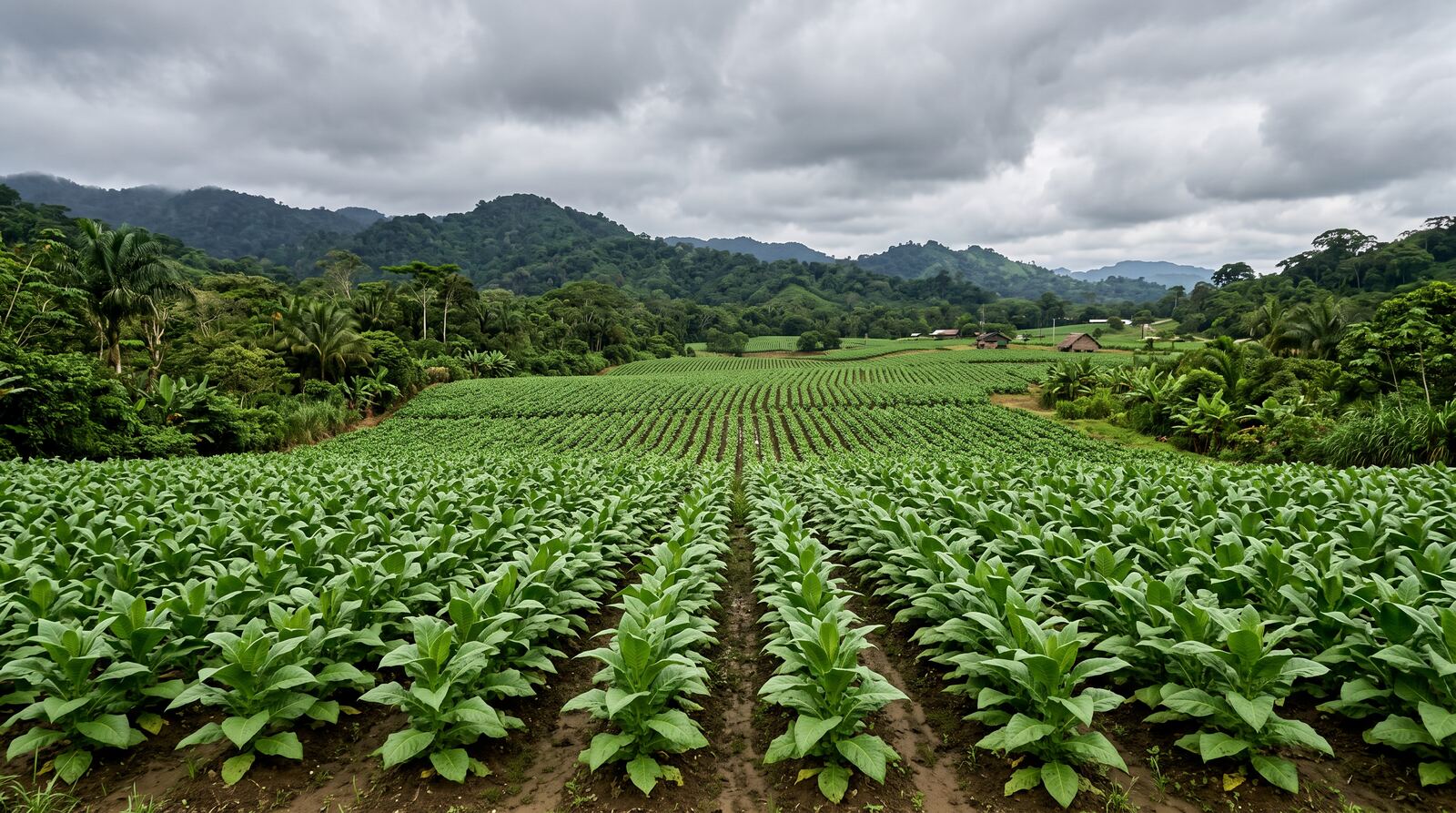
Pick up a mild, golden cigar at almost any tobacconist and there is a good chance its wrapper is "Ecuador Connecticut." Pick up a spicy, reddish cigar and it may be "Ecuador Habano." Ecuador has become one of the most important wrapper-growing countries in the world, even though it has little tradition of rolling cigars. Here is why.
Natural Shade From the Clouds
Fine wrapper needs gentle, filtered light. In Connecticut and Cuba, growers stretch cloth over the fields to shade the plants. In Ecuador's coastal lowlands, a layer of cloud covers the sky for much of the dry growing season, doing the same job naturally. The diffused light produces leaves that are thin, elastic and even in color, and the fine, loamy soil, refreshed by river floods, adds fertility.
Where It's Grown
Most Ecuadorian wrapper comes from the provinces of Los Ríos and Guayas, with farms spreading out from the town of Quevedo toward the foothills of the Andes. Several large tobacco families and companies own or contract farms there, including the Oliva Tobacco Co. of Tampa, Florida, one of the biggest growers in the country.
The Main Varieties
| Wrapper | Seed | Typical color and flavor |
|---|---|---|
| Ecuador Connecticut | Connecticut shade | Light tan; mild, creamy, nutty |
| Ecuador Habano (Ecuador Havana) | Cuban-derived seed, e.g. Havana 2000 | Reddish-brown; spicy, rich |
| Ecuador Sumatra | Sumatra seed | Medium brown; earthy, cedar, sweet spice |
| Ecuador Corojo | Corojo '99 | Reddish; peppery, full |
The Oliva Story
The Oliva family, whose tobacco business dates to the 1930s, bought its first Ecuador farm, La Mecca, in 1979 and expanded in 1997. In 2001 the family planted about 25 acres of Havana-seed wrapper; within a year it had tripled the planting, and Ecuador Havana became one of the most sought-after wrappers in the industry. By the 2010s the family farmed hundreds of acres in Ecuador.
From Field to Wrapper
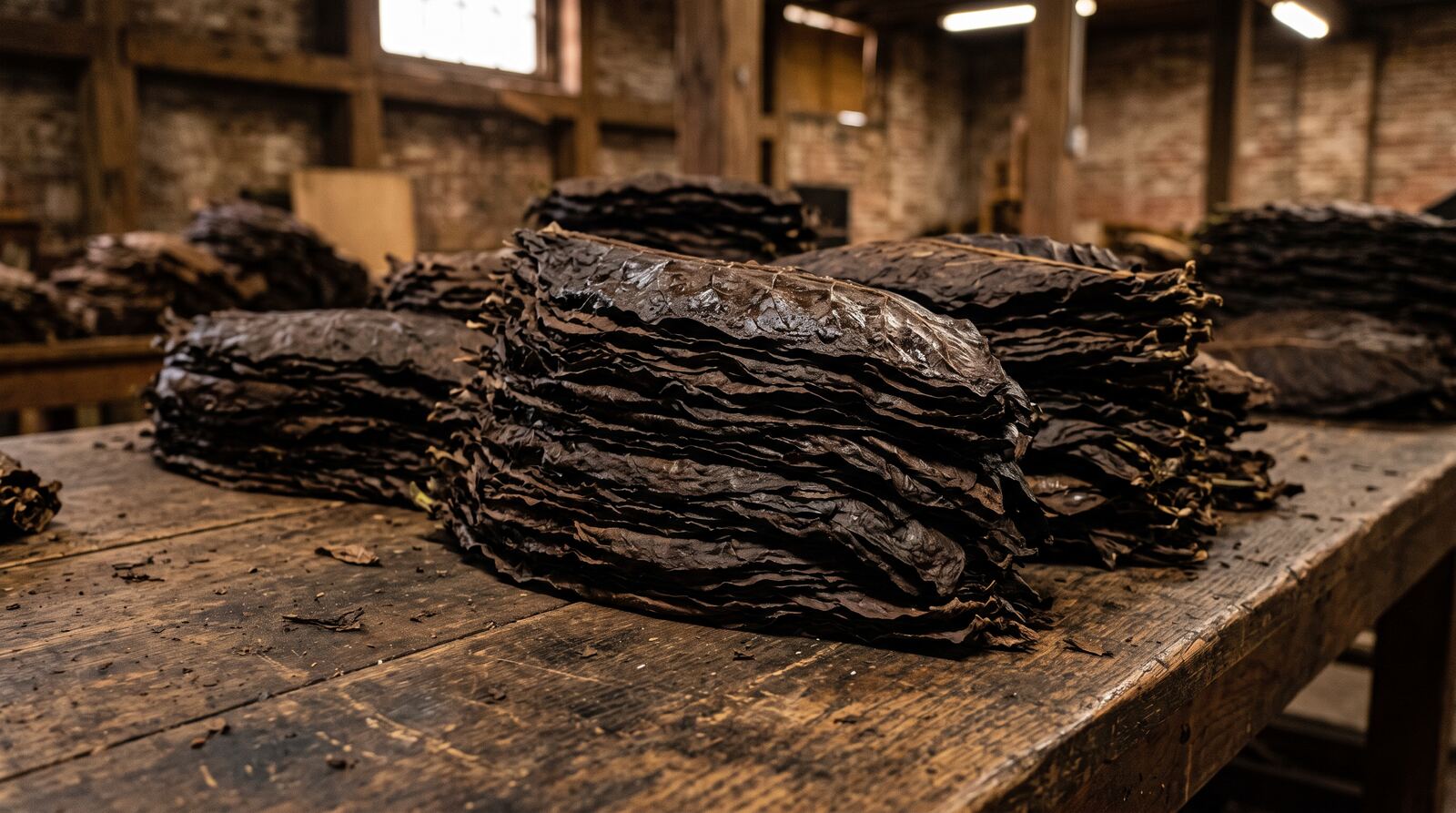
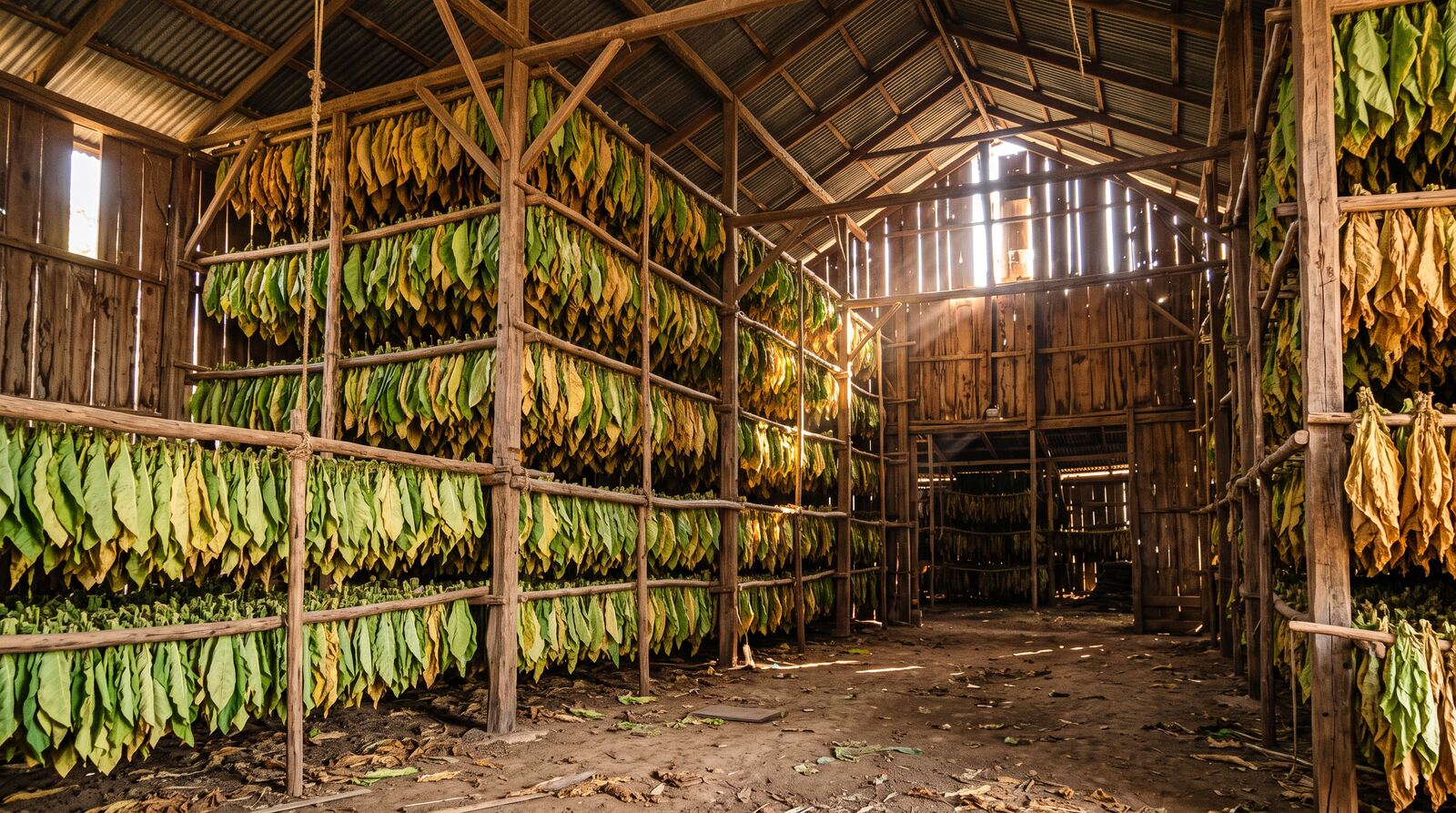
Leaves are primed by hand from the bottom of the plant upward, starting about two months after transplanting. They are air-cured in barns for several weeks, then fermented and sorted into grades. Only the best leaves become wrappers; lower grades are used as binder. The leaf is shipped to factories in the Dominican Republic, Nicaragua, Honduras and elsewhere.
Cigars With Ecuador Wrapper
Ecuadorian wrappers appear on a long list of well-known cigars. Cigar Aficionado has highlighted Ecuador Havana-wrapped cigars such as the Romeo by Romeo y Julieta, the Arturo Fuente Rosado Sungrown and cigars from A.J. Fernandez, Rocky Patel and My Father Cigars. Ecuador Connecticut is the standard wrapper on many mild cigars. For the Central American factories that roll them, see our sister site's guide to Nicaraguan cigar brands.
Ecuador Connecticut vs. U.S. Connecticut Shade
Connecticut shade grown in the Connecticut River Valley is the classic mild wrapper but is expensive and limited. Ecuador Connecticut uses the same seed and gives a similar golden leaf, often a little sweeter, at a lower cost and in greater volume. Both are mild. See cigar wrapper types.
Ecuador Sumatra
Ecuador also grows Sumatra-seed wrapper, a descendant of the leaf first grown in Indonesia; our sister site tells that story at Sumatra wrapper.
Frequently Asked Questions
Why is Ecuador good for growing wrapper?
Cloud cover shades the fields naturally for much of the growing season, producing thin, smooth, even-colored leaves.
What is Ecuador Habano?
A reddish, spicy wrapper grown in Ecuador from Cuban-derived seed such as Havana 2000; it is also called Ecuador Havana.
Is Ecuador Connecticut mild?
Yes. Ecuador Connecticut is a light tan wrapper with a mild, creamy, nutty flavor.
Where in Ecuador is wrapper grown?
Mainly in Los Ríos and Guayas provinces, around the town of Quevedo.
Who grows tobacco in Ecuador?
Several large tobacco companies and families, including the Oliva Tobacco Co., which has farmed in Ecuador since 1979.